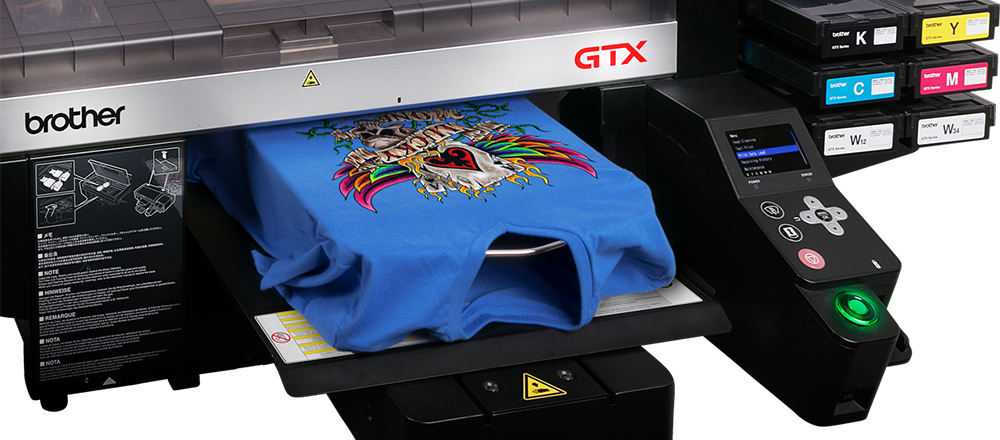
I absolutely hate print-on-demand using DTG printing. Yes, you heard that right. I think it often makes clothing brands look lazy and unprofessional. But what if you had no other choice? What if I were forced to build a clothing brand using print-on-demand? I’d do it very differently.
I’m going to tell you exactly why I dislike DTG printing so much, and despite that, share a clear roadmap of how I would strategically use print-on-demand to build a legitimate, successful clothing brand.
After 20+ years in this industry running Threadbird and working with thousands of clothing brands, I’ve seen every printing method imaginable. I’ve witnessed firsthand how print quality and execution directly impact brand success. And I’ve watched too many brands hurt themselves by treating print-on-demand as a long-term solution instead of a testing ground.
If you’re thinking about print-on-demand or currently using it, pay close attention. I’m going to share exactly how to navigate the major pitfalls of DTG printing to achieve (let’s call it acceptable) results, while strategically positioning your brand to transition smoothly into a traditional clothing model as soon as possible.
Why I Hate DTG Printing
The #1 reason I dislike DTG printing? The print quality usually just isn’t up to standard. Maybe it’s because I’ve been surrounded by top-quality screen printing my entire career, but whenever I see DTG prints, especially designs with large solid areas, it makes me cringe. The coverage is poor, colors appear dull, and consistency is lacking.
Sure, DTG can handle photorealistic designs well, but outside of that narrow niche, results typically disappoint. You’re also severely limited with DTG: restricted garment options, limited finishing details, and little flexibility for advanced techniques like discharge or puff prints.
This lack of flexibility and inferior print quality is exactly why, in 17 years at Threadbird, we’ve never invested in a DTG machine. Serious brands demand quality, consistency, and versatility, areas where DTG consistently falls short. And just last week, I received a DTG sample in the mail from a clothing brand. It was honestly embarrassing.
How I’d Strategically Use DTG
Alright, enough about why I hate DTG. Let’s talk about how I’d actually make it work.
1. Design with Purpose
First, and probably most importantly, I’d hire a professional graphic designer with experience in apparel design. Not just any designer, but someone who understands how to create graphics that translate well to screen printing down the line.
I wouldn’t go crazy with unlimited colors or overcomplicated designs. My goal would be to make my transition to bulk screen printing as smooth as possible once the sales justify it.
2. Fewer, Better Designs
I’d also be highly selective with my designs. Too many print-on-demand brands flood their stores with every idea they can think of, hoping something sticks. Not me. I’d start with around 10 carefully curated designs and actively remove underperformers. If a design isn’t selling, it’s gone. No exceptions.
I literally saw a YouTube “expert” suggesting new brands start with 200 designs. That’s insane. That’s throwing everything at the wall and hoping something sticks, with no thought or strategy. And to make it worse, he was encouraging people to design everything themselves using free online tools. No. Just no. If you’re not a designer, don’t try to be one. Even I, with my years of experience, don’t design my own T-shirts. I leave that to the professionals.
3. Choosing the Right Garments
Once I have my first collection designed, it’s time for production. And this part is critical. I’d choose the highest-quality blank garments available to offset DTG’s limitations. I’ve seen AS Colour starting to show up as an option, and that would probably be my first pick. If that’s not available, I’d go with Bella Canvas, either the 3001 or the 3413, though I do have concerns about DTG results on the 3413’s blend. While I love the shirt, I would be doing samples of it first before starting to sell anything.
Some print-on-demand companies are offering printed neck tags now, which is great and an easy win. So do that when possible.
And lastly… whatever you do, please, please don’t use the Gildan 5000 for your clothing brand. Just don’t.
E-Commerce Strategy for Print-on-Demand
Alright, let’s talk about your e-commerce strategy, because this is where too many print-on-demand brands go wrong. If your website screams “print-on-demand,” you’ve already lost customers.
1. Build a Professional Online Presence
I’d use Shopify from day one. It’s easy to use, scalable, and has a vast ecosystem of apps to enhance the customer experience. I’d invest in a premium theme and carefully choose a few essential add-ons to create a polished, professional look. Then, every product needs a thoughtfully crafted page, clearly stating garment details, sizing, and care instructions. Customers should never have unanswered questions. Clarity builds trust, and trust converts.
When you use Shopify, you will never need to change your e-commerce platform in the future.
2. Real Photography, No Mockups
Hire a professional photographer. Digital mockups might save you money initially, but they instantly make your brand look cheap and lazy. Real photos elevate your products, making them appealing and trustworthy to your customers.
Flat lays are fine, but they need to be real photos, complementing professional model shots to create a cohesive, high-quality look.
Yes, doing real photoshoots means investing in purchasing your own products upfront. But you’re already doing that, right… right? Just this last week, I received a frantic message from someone who had finally ordered a sample from their own brand. They were shocked and embarrassed by the low quality, wondering if something went wrong or if this was the reality of print-on-demand. Nothing went wrong. That was just the reality. Don’t let that happen to you. Know what you’re dealing with.
3. Limit Customer Choices Strategically
Never let your customers select their own shirt colors or garment styles on-demand. It instantly reveals your business model. Make deliberate choices about which colors and styles pair best with each design. You and your graphic designer should be making this decision on what looks best, not leaving it up to a random person with no design skills. This ensures your collection feels curated and intentional, not randomly assembled.
By treating your store seriously from day one, you position your brand professionally, building customer confidence and setting the stage for rapid growth and a smooth transition away from print-on-demand.
The One Advantage of DTG
Now DTG does have one benefit, despite all its drawbacks, which is that you can experiment more freely with your designs without upfront investment of bulk producing your products.
So, use your first year as a brand to really understand your audience. Test multiple designs, styles, and messaging. Pay close attention to what works and ruthlessly cut what doesn’t.
Ultimately, your goal is to outgrow print-on-demand as quickly as possible. Use DTG as a strategic testing ground, not a long-term crutch.
Final Thoughts
Look, I’ll be honest. Lately I’ve been getting more calls than ever from clothing brands desperately trying to move away from print-on-demand because they’ve realized just how much it has hurt their growth and reputation. They’re stuck trying to transition from DTG to real production, and it’s a painful process when you’ve built your entire brand around the limitations of print-on-demand.
If you’re going to use print-on-demand, use it strategically from day one. Design with your future in mind. Build your brand like it’s already professional. And plan your exit strategy before you even start.
At the end of the day, print-on-demand can work as a testing phase, but only if you treat it like one and don’t let it define what your brand becomes.